Learning how to deposit at an online casino bitcoin is straightforward once you know the cashier supports crypto, your wallet matches the listed network, and you have completed identity checks. Bitcoin can offer faster funding than some traditional banking routes, useful limits and traceable transfers, but speed alone does not make every operator suitable. Australian players should first assess licensing, withdrawal conditions and game rules, then test a small deposit before committing more funds. This guide explains the deposit process, the practical checks that matter and who should proceed cautiously.
Bitcoin deposits: what Australian players should verify first
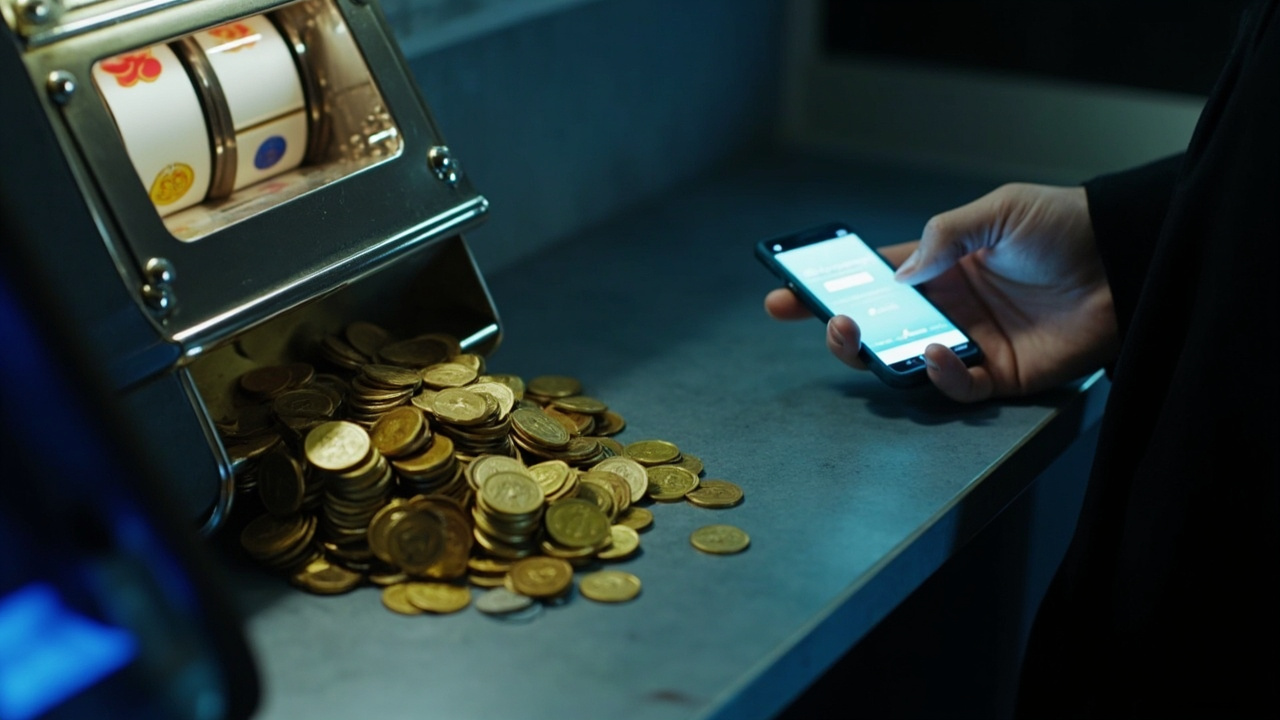
The main advantage of Bitcoin is control over the payment journey. Instead of waiting on a bank transfer during a busy Saturday arvo, a player can transfer BTC directly from a personal wallet and receive casino credit once the network confirms the transaction. The trade-off is responsibility: wallet addresses must be checked carefully, network fees vary, and a mistaken transfer may not be recoverable.
Confirm that the operator supports Bitcoin for both deposits and withdrawals. Some casinos advertise crypto funding but return withdrawals through another method, which can complicate tracking and add conversion costs. Currency support matters too. An Australian player may deposit in AUD or USD and withdraw in Bitcoin, or use a Bitcoin-denominated balance, so the exchange rate and any conversion percentage should be clear before payment.
Licensing and dispute processes deserve equal attention because offshore access does not automatically mean Australian regulatory approval. The operator should publish verifiable information about its licence, ownership, customer-support channels and withdrawal rules. Players can also investigate payment context through a national casino legit source, but should compare that information with the casino’s own terms and independent payment records.
A practical Bitcoin deposit process for Australian casino accounts
Choose a reputable wallet that supports the exact network shown by the cashier. “Bitcoin” alone may refer to the Bitcoin network, not an Ethereum-based token such as USDC or a Lightning-only route. The receiving address and network must align; sending an incompatible asset can result in a permanently inaccessible balance.
Create or sign in to the casino account, select the cashier and choose Bitcoin as the deposit method. Compare the minimum deposit, available balance networks, estimated arrival time and any credited amount after fees. Check whether the casino provides a unique deposit address for each transaction, as sending additional funds to an old address can create reconciliation problems.
Before depositing, complete identity verification. This should include your name, date of birth, residential address and the requested identity document. Never upload stolen documents or attempt to obscure your location. Australian players must comply with the casino’s terms and applicable local rules, and restricted jurisdictions will remain restricted.
- Open the cashier: Sign in and select the verified payment section for Bitcoin deposits.
- Check the network and limits: Compare minimum and maximum amounts, supported assets and any deposit percentage applied.
- Generate a fresh address: Copy the new address carefully rather than relying on a previous transaction.
- Transfer a small test amount: Send a modest quantity from a wallet that displays the correct asset and network.
- Wait for confirmation: Allow the required network confirmations, then confirm the credit appears in the casino balance.
- Check the account balance: Review available cash, any bonus conditions and the recorded transaction before playing.
Choosing the wallet and Bitcoin network
A self-custody wallet gives the player direct control, but it also places responsibility for backups and security on the player. A hosted wallet can be easier to use, although the provider controls access and may impose its own transaction policies. For regular casino funding, a wallet with clear address history, two-factor authentication and straightforward Bitcoin sending is more useful than one offering dozens of lightly explained features.
Network choice affects fees and processing time. The cashier should state whether it accepts Bitcoin on-chain, Lightning or both. On-chain deposits usually require more confirmations than Lightning transfers, while Lightning may have tighter limits or availability restrictions. A casino may also offer one Bitcoin asset alongside stablecoins such as USDT; those are separate choices and should not be treated as interchangeable.
One useful comparison comes from James Clarke, Payments Strategy Director at Southern Cross Gaming Advisory: “Crypto users value speed and control, but the strongest payment setup makes fees, limits and settlement conditions visible before the first transfer.” That is a sensible benchmark for any Australian operator. Clear disclosure tells players what will happen to their money and prevents a “quick deposit” from becoming a confusing support ticket.
Verifying the casino before sending Bitcoin
Start with the casino’s payment page, terms and licence information. A genuine cashier should explain the supported currencies, minimum withdrawal, processing windows and identity checks without hiding them behind a chat agent. The same standards should apply to mobile players: the website should load correctly, menus remain usable on a small screen and support is available through a stated channel.
Test support before depositing if anything is unclear. Ask whether a Bitcoin deposit receives a unique address, how confirmations are counted and which network the cashier accepts. Support should provide consistent answers across email and live chat. A difference between the displayed address and the one supplied by an agent is a major warning sign; stop and resolve it before sending funds.
An additional pre-payment check is available in this Bitcoin casino guide, which outlines several factors to review before topping up. The exact wording of the link is Russian-language, but the underlying topic fits this section: verify rather than trust branding alone.
Cameron Edwards, Head of Operator Partnerships at Capital Territory Gaming Forum, puts the balance neatly: “Convenient funding works best when the player can still trace every dollar from the wallet to the casino balance and back.” Players should retain the wallet transaction ID, deposit receipt and screenshots until the funds are credited.
Understanding limits, fees and cashier conditions
Bitcoin deposits can carry several layers of cost. The casino may apply a minimum or maximum limit, while the blockchain network charges a fee determined by current demand. Some cashiers deduct a deposit percentage, and a bonus may require a wagering multiple before bonus funds become withdrawable. These are separate conditions: network fees do not satisfy a wagering requirement, and bonus progress does not reduce the network cost.
A sample deposit makes the mechanics easier to judge. If the player sends 0.01 BTC, the network fee is deducted from the wallet and the cashier credits either the full received amount or the amount shown after its stated policy. The record should identify the gross transfer, fee, credited value and credited currency. If any figure is missing, contact support before playing.
Withdrawal conditions belong in the same review. Check the minimum cash-out, whether bonus balance must be cleared first, whether a completed identity check is required and what documents may be requested. A casino that supports Bitcoin deposits but publishes vague withdrawal terms should be treated cautiously.
Who Bitcoin deposits suit and where the trade-offs appear
Bitcoin funding is a good fit for Australian players who already understand crypto wallets, want an alternative to card or bank payments, and can manage transaction records independently. It may also appeal to players using AUD casinos that support Bitcoin but do not offer the player’s preferred local payment method. The useful benefit is a direct, visible transfer rather than a claim of instant access to winnings.
It is less suitable for first-time crypto users, people unfamiliar with network selection or anyone who cannot wait for identity checks and confirmations. Bitcoin’s price can move between sending funds and them becoming withdrawable, so the deposited value is not fixed. Casino game outcomes remain uncertain, and no payment method changes that. Advantage play refers to legal methods, such as card counting, that shift the house edge; Bitcoin itself does not do that and should never be presented as a way to guarantee returns.
Think about it in practical terms. Players in Hobart can transact from home, but the cashier must legally accept Australian customers and should display clear terms. Support should explain a pending withdrawal rather than promise a fixed release time. Players should also remember that New South Wales and Queensland together host the bulk of Australia’s pub-and-club pokies, while Bitcoin-funded offshore casinos operate under different rules and are not automatically licensed or regulated in Australia.
Noah O’Brien, Managing Partner of Southern Reef Gaming, adds a practical warning: “A smooth deposit is only one part of the experience; players still need transparent withdrawal rules and a support team that documents every step.” That is the sensible standard for evaluating any cashier.
Ready to put Bitcoin into an online casino? Start with a small test deposit, verify the network and keep your transaction records handy. If this guide helped, leave a comment, share it with a mate or send it to someone who is considering their first crypto casino payment.